Embark on a journey of creativity and resourcefulness with Charlie Dimmock Inspired Water Features You Can Build on a Budget. This article delves into the world of affordable DIY water features, exploring different types, materials, design considerations, and maintenance tips inspired by the renowned gardener's style.
Types of Water Features
When it comes to creating budget-friendly water features for your garden, there are several options to consider. Each type of water feature has its own unique characteristics in terms of cost, maintenance, and aesthetics. Here are some examples of DIY water features inspired by Charlie Dimmock's style:Pondless Waterfall
A pondless waterfall is a great option for those looking for a low-maintenance water feature. It consists of a reservoir hidden underground that pumps water up to a waterfall or stream and then recirculates it. This type of water feature is cost-effective to install and can add a serene touch to your garden.Container Water Garden
Container water gardens are perfect for small spaces and can be created using various containers like barrels, tubs, or even old watering cans. They are easy to maintain and can be customized with aquatic plants and small fish. This type of water feature is not only budget-friendly but also adds a whimsical charm to your outdoor space.Bubbling Fountain
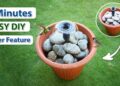
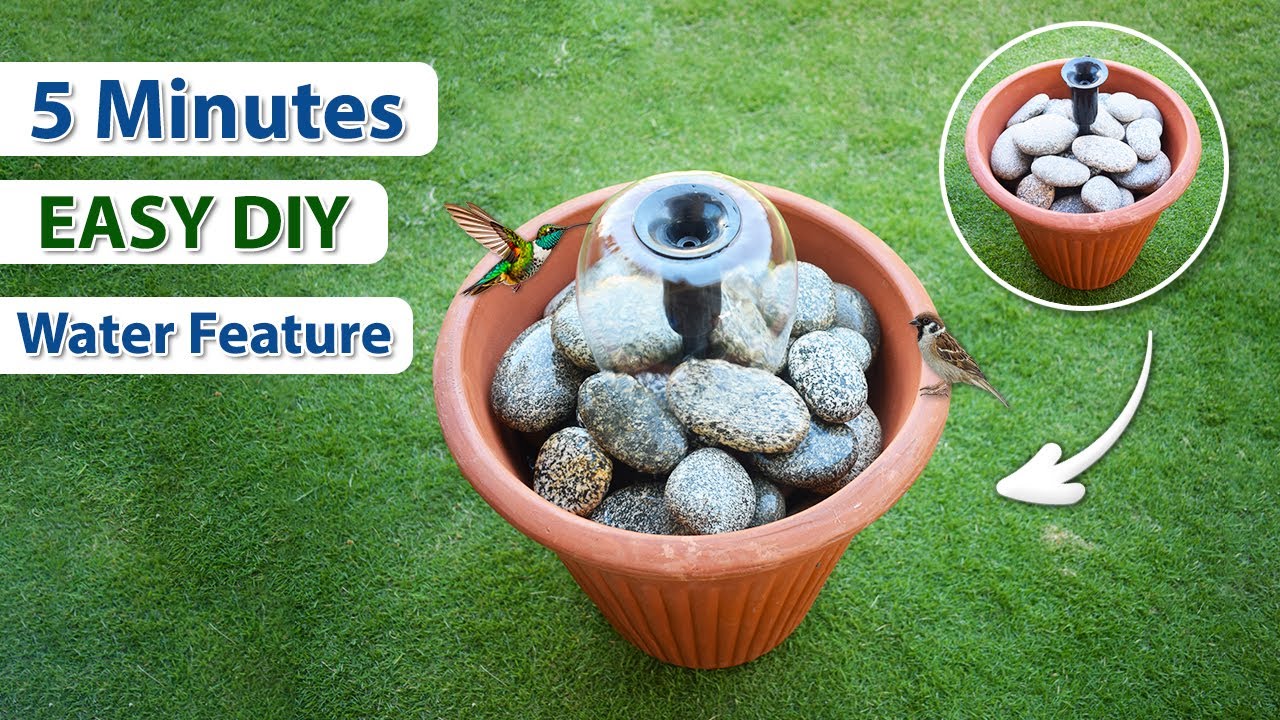
A bubbling fountain is a simple yet elegant water feature that adds a soothing sound to your garden. It typically consists of a decorative pot or urn with a recirculating pump that creates a bubbling effect. Bubbling fountains are easy to install and maintain, making them a popular choice for DIY enthusiasts on a budget.Rock Water Feature
Inspired by natural streams and waterfalls, rock water features can be created using a combination of rocks, pebbles, and a recirculating pump. They are relatively inexpensive to build and can be customized to fit any garden style. Rock water features add a touch of tranquility and rugged beauty to your outdoor space.Repurposed Water Feature
For a truly budget-friendly option, consider repurposing old materials like buckets, barrels, or even an old sink to create a unique water feature. With a little creativity and DIY know-how, you can transform these items into charming water features that reflect your personality and style.Budget-Friendly Materials
When building water features on a budget, it's essential to explore affordable materials that can help you achieve a beautiful result without breaking the bank. Repurposing everyday items and finding cost-effective materials are key strategies to keep the project budget-friendly.Affordable Materials for Water Features
- Concrete: Concrete is a versatile and cost-effective material that can be molded into various shapes for water features.
- Pebbles or Rocks: Using pebbles or rocks can add a natural and aesthetic touch to your water feature without costing a fortune.
- Recycled Containers: Repurposing containers like old barrels, buckets, or even tires can be an innovative way to create unique water features.
- Bamboo: Bamboo is a sustainable and affordable material that can be used to create spouts or water channels in your feature.
Repurposing Everyday Items for Water Features
- Old Bathtubs: An old bathtub can be transformed into a beautiful pond or water garden feature by adding aquatic plants and a small pump.
- Wine Barrels: Cut a wine barrel in half vertically to create a rustic and charming water feature, perfect for small gardens or patios.
- Unused Tires: Stack tires creatively and seal them to create a cascading waterfall effect for your water feature.
Finding Cost-Effective Materials
- Local Hardware Stores: Look for discounted or clearance items at local hardware stores to find affordable materials for your water feature project.
- Online Marketplaces: Explore online marketplaces like Craigslist or Facebook Marketplace for secondhand materials that can be repurposed for your water feature.
- Community Swaps: Attend community swap events or check online platforms for free or low-cost materials that others may no longer need.
Design and Planning
When planning a water feature inspired by Charlie Dimmock, there are key design elements to consider to ensure a successful and harmonious result. From the style and size of the feature to the materials used, each aspect plays a crucial role in the overall design.Sketching and Visualizing the Design
To start planning your water feature, begin by sketching out your ideas on paper. Consider the shape, size, and placement of the feature in your outdoor space. Visualizing the design will help you see how it fits into the overall landscape and allows you to make adjustments before construction begins- Start by drawing the Artikel of the water feature, including any surrounding landscaping or elements.
- Consider the flow of water and how it will interact with the design elements.
- Add in any decorative elements or plants that will enhance the overall look of the feature.
- Use different perspectives to fully visualize how the water feature will look from different angles in your garden.
Scaling the Design to Fit Space and Budget
Once you have a clear idea of the design, it's important to scale it to fit the available space and budget constraints. This step ensures that your water feature is both visually appealing and practical for your outdoor area.- Measure the available space where the water feature will be located to ensure it fits comfortably without overwhelming the area.
- Consider the depth and size of the feature to ensure it is proportionate to the surroundings.
- Adjust the design elements, such as the materials used or decorative features, to fit within your budget without compromising the overall look and feel of the water feature.
- Consult with a landscaping professional if needed to help refine the design and ensure it meets both your aesthetic preferences and practical needs.
Installation and Maintenance
 When it comes to installing and maintaining your DIY water feature, there are a few key steps to follow to ensure its longevity and functionality without breaking the budget.
Installation Process
- Choose a suitable location for your water feature, ensuring it is level and stable.
- Start by digging the basin or reservoir for your feature, making sure it is deep enough to accommodate the pump and allow for proper water circulation.
- Place the pump in the reservoir and connect it to the tubing that will run to the top of the feature where the water will flow from.
- Add decorative elements like stones or plants around the feature to enhance its aesthetic appeal.
- Fill the reservoir with water, turn on the pump, and adjust the flow to achieve the desired water movement.
Ensuring Proper Water Circulation and Filtration
- Regularly clean the pump and filter to prevent clogs and ensure optimal water circulation.
- Consider adding a biological filter to promote healthy bacteria growth and maintain water quality.
- Monitor the water level and top up as needed to prevent the pump from running dry.
Maintenance Guidelines
- Remove debris and algae buildup regularly to prevent blockages and maintain water clarity.
- Check the pump and tubing for any signs of wear or damage and replace as necessary to avoid malfunctions.
- During winter months, ensure to drain the water feature to prevent freezing and potential damage to the pump.
- Consider adding a water treatment solution to prevent algae growth and keep the water feature looking clean and clear.
Summary
In conclusion, Charlie Dimmock Inspired Water Features You Can Build on a Budget offers a blend of practicality and aesthetics for those looking to enhance their outdoor spaces without breaking the bank. With the right materials, design insights, and maintenance know-how, anyone can create a stunning water feature that reflects their unique style and personality.
Popular Questions
What are some budget-friendly materials for building water features?
You can use items like recycled containers, rocks, pebbles, and PVC pipes to create cost-effective water features.
How can I ensure proper water circulation in my DIY water feature?
Consider incorporating a small pump or fountain kit to maintain water movement and prevent stagnation.
Are there specific design elements inspired by Charlie Dimmock that I can incorporate into my water feature?
You can draw inspiration from Charlie Dimmock's naturalistic style by including elements like flowing curves, natural materials, and lush greenery around the water feature.